 3 Nisan 2024
In vitro fertilization (IVF) is a hopeful journey for many couples dreaming of starting a family. One of the most exciting and critical moments of this journey is the embryo transfer stage. This procedure, in which embryos carefully developed in a laboratory environment are gently placed into the expectant mother's uterus, is one of the most important steps on the road to pregnancy. This moment is not only a medical procedure but also an emotional and sensitive turning point carrying the potential for the beginning of a new life.
In this guide, we will cover in detail the frequently asked questions about the embryo transfer process. From how to prepare for embryo transfer to how the procedure is performed, from post-transfer precautions to factors affecting success rates, we aim to help you better understand this important process with comprehensive information. Our goal is to enable you to take informed steps during this critical period and find answers to your questions.
What is embryo transfer?
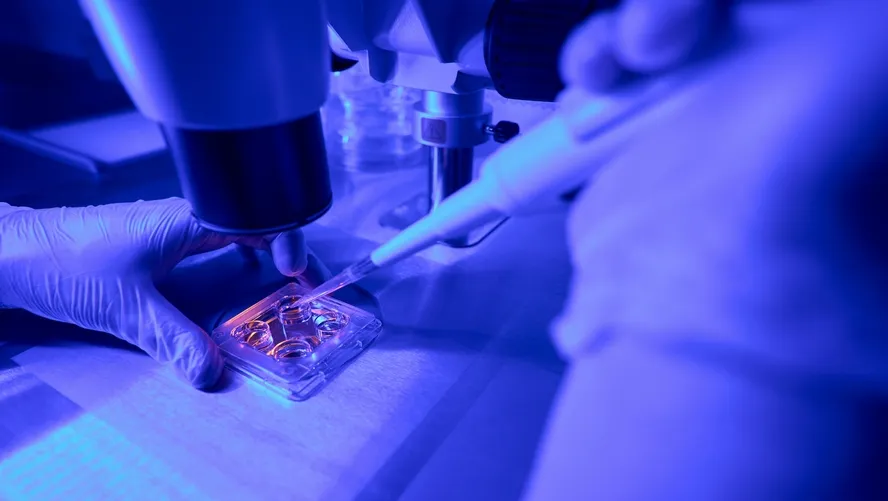
Embryo transfer, the final and most crucial step in in-vitro fertilization (IVF) treatment, is the process of placing embryos, fertilized and developed in a laboratory environment, into the expectant mother's uterus to initiate pregnancy. Following stages such as egg retrieval and fertilization, this step is one of the most decisive moments in achieving treatment success. This procedure aims to bring all the efforts and hopes nurtured throughout the treatment to a tangible conclusion.
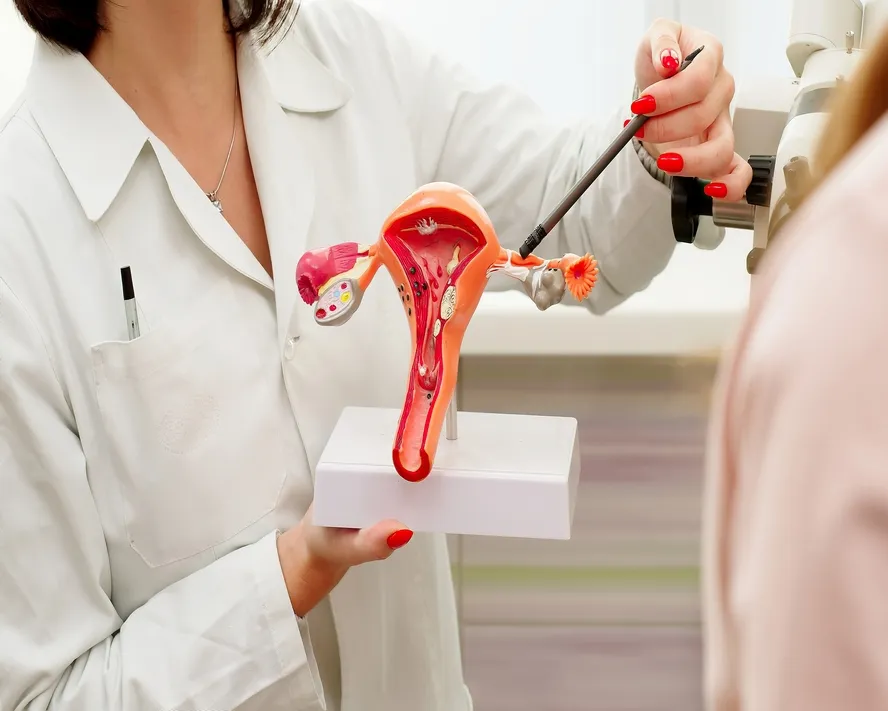
This procedure, which usually does not require anesthesia and is performed similarly to a gynecological examination, is quite short and painless. Using a thin and flexible catheter under ultrasound guidance, the specialist gently transfers the selected healthy embryo or embryos into the endometrium, the inner lining of the uterus. The main goal of this step is to ensure that the embryo successfully attaches to the uterine wall (implantation). Implantation is the moment when pregnancy biologically begins, and the success of the treatment directly depends on this step. Therefore, embryo transfer is not only a medical procedure but also an emotional milestone for couples, filled with great excitement and hope.
How does the embryo transfer process work?
One of the most critical steps in in-vitro fertilization (IVF) is embryo transfer, where embryos developed in the laboratory are placed into the expectant mother's uterus. This process, which plays a key role in ensuring a successful pregnancy, is exciting for prospective mothers but generally offers a painless and comfortable experience. The process requires meticulous preparation and execution.
Before embryo transfer, the mother-to-be's uterus is prepared with medication to aid embryo implantation. This preparation improves the chances of implantation by bringing the thickness and structure of the endometrium, the inner lining of the uterus, to an ideal state. Simultaneously, in the laboratory, embryologists carefully examine the embryos developing from the fertilized eggs. As a result of this examination, the healthy and highest quality embryos with the highest potential for implantation are selected for transfer.
The procedure itself is generally a simple one that does not require anesthesia. While the expectant mother is in the gynecological examination position, the doctor uses an abdominal ultrasound to clearly see the inside of the uterus. The selected embryos are drawn into a thin, flexible catheter, which is then advanced through the cervix into the uterine cavity. Under ultrasound guidance, the embryos are gently placed at the most suitable point in the uterus. This moment is one of the most crucial points in the IVF process, and the procedure usually only takes a few minutes. Although patients may feel slight pressure during this time, they do not experience pain or significant discomfort.
Turkish legal regulations determine the number of embryos to be transferred based on the mother's age and the number of previous attempts. For example, in women under 35, only one embryo is transferred in the first two attempts, while in older women or after repeated unsuccessful attempts, two embryos may be transferred. This approach aims to optimize the chances of pregnancy while reducing the risk of multiple pregnancies. After the procedure, the mother-to-be is advised to rest for a short period, and the result is awaited with a pregnancy test approximately 10-12 days later.
Who is a suitable candidate for embryo transfer?
Embryo transfer is a method recommended for certain medical conditions within the in-vitro fertilization (IVF) process for couples who have difficulty conceiving. This procedure, usually resorted to when natural pregnancy is difficult or other infertility treatment methods have been insufficient, is planned according to the couple's health status.
This method is an effective solution, especially for women with blocked or damaged fallopian tubes. The tubes' inability to function properly prevents the egg from meeting sperm and the fertilized embryo from reaching the uterus. Creating the embryo in the laboratory and then directly transferring it to the uterus eliminates this obstacle. Similarly, women with ovulation disorders such as polycystic ovary syndrome can also benefit from this method. In these cases, after egg development is stimulated with medication, the resulting embryos are transferred, creating a chance of pregnancy.
Embryo transfer is also an important option in the treatment of male factor infertility. Problems such as low sperm count, inadequate sperm quality, or poor motility make natural fertilization difficult. Transferring the embryo created after fertilization in the laboratory using techniques like microinjection (ICSI) increases the success rate in such cases. Furthermore, couples who are carriers of genetic diseases can minimize the risk of passing these diseases on to their children by transferring healthy embryos after genetic screening (PGT) is performed on the embryos.
Advanced age reduces the chances of natural pregnancy in women by decreasing egg reserve and quality. Therefore, embryo transfer is a frequently used method for older women. For couples who have previously tried different fertility treatments such as artificial insemination but have not been successful, embryo transfer is a powerful alternative that helps them realize their dream of starting a family.
What types of embryos can be transferred?
One of the most important factors affecting success in IVF treatment is the type and developmental stage of the embryo to be transferred. There are basically two different approaches in this process: fresh embryo transfer and frozen embryo transfer. Which method will be used is decided by evaluating the embryo's developmental stage.
Fresh embryo transfer is the transfer of embryos within the same menstrual cycle following egg retrieval and fertilization. In this method, after the ovaries are stimulated with medication, the collected eggs are fertilized in the laboratory. The developing embryos are then placed directly into the mother-to-be's uterus when they reach day 3 or 5, without being frozen. The advantage of this approach is that the treatment is completed without delay. However, the strong hormone medications used to stimulate the ovaries can sometimes negatively affect the uterus's capacity to accept the embryo.
Frozen embryo transfer involves freezing and storing high-quality embryos obtained after egg retrieval, and then transferring them in later months when the uterus is more ready. This method is preferred, especially in cases where there is a risk of ovarian hyperstimulation syndrome (OHSS) or when pregnancy has not been achieved in fresh attempts. Thanks to frozen embryo transfer, the mother-to-be's body is free from the effects of hormones, and the uterine lining (endometrium) can prepare more naturally for embryo implantation. This increases the chances of pregnancy while also reducing stress on the mother-to-be.
The developmental stage of the embryo plays a key role in the transfer strategy. Embryos are usually transferred on day 3 (cleavage stage) or day 5 (blastocyst stage). A day 3 embryo has a structure of 6-8 cells, while a day 5 embryo, the blastocyst, is a more advanced developmental stage consisting of approximately 100-120 cells. One of the frequently preferred methods today is blastocyst transfer. This is because embryos that survive until day 5 in the laboratory are considered to have undergone natural selection and have a higher potential for implantation in the uterine wall.
Additionally, blastocyst transfer can increase pregnancy rates because it is more synchronized with the timing of embryo implantation in the uterus. Applicable to both fresh and frozen embryo cycles, this method also helps reduce the risk of multiple pregnancies by transferring fewer embryos. The choice of embryo type and developmental stage is individualized based on the couple's medical condition, embryo quality, and the doctor's assessment.
Things to Consider After Embryo Transfer
Embryo transfer is the most delicate stage of IVF treatment. The period following this step requires careful attention to both the physical and psychological health of the expectant mother. Proper management of the post-embryo transfer process is crucial to supporting a successful pregnancy and minimizing potential risks. Here are some things to keep in mind during this period:
- Physical Activity and Rest: It is essential to avoid strenuous physical activity and tiring exercise after embryo transfer. Movements that strain the abdominal area, heavy lifting, and sudden jolts can negatively affect embryo implantation. While bed rest is not mandatory for the first few days, resting in a calm environment at home helps the body recover. Light-paced walks are generally recommended, but you should follow your doctor's specific instructions. The goal is to avoid any action that could trigger uterine contractions.
- Healthy Eating: A balanced and nutritious diet during this period supports your overall health and your chances of pregnancy. Make sure to consume plenty of fresh vegetables, fruits, whole grains, and adequate protein. You should absolutely avoid processed foods, excessive caffeine, alcohol, and smoking. It is also crucial to maintain hydration by drinking plenty of water.
- Doctor-Prescribed Supplements and Medications: It is vital to take the medications prescribed by your doctor regularly, especially progesterone supplements and vitamins such as folic acid. Progesterone prepares the uterine lining for embryo implantation and supports the continuation of pregnancy. Following your doctor's instructions regarding dosage and usage of medications is a key factor for a successful embryo transfer.
- Avoiding Sexual Intercourse: It is recommended to avoid sexual intercourse after embryo transfer until the pregnancy test result is available. Sexual intercourse is not advised during this sensitive period as it can cause uterine contractions and increase the risk of infection. Your doctor will provide you with the most accurate information and duration specific to your case.
- Stress Management: This stage of treatment can be quite stressful and emotional for expectant mothers. Since stress can affect hormonal balance in the body, managing stress during this period is important. Meditation, gentle breathing exercises, engaging in hobbies you enjoy, or talking to people you trust can help reduce stress. A positive mindset will help you get through this process more healthily.
- Expected Symptoms and Requirements for Medical Attention: Light spotting or menstrual-like lower abdominal pain after embryo transfer is considered normal. However, if you experience severe pain, heavy bleeding, high fever, or abnormal changes in vaginal discharge, you should consult your doctor immediately. These symptoms may indicate a condition requiring urgent medical attention.
Factors Affecting the Success Rate of Embryo Transfer
Embryo transfer is a critical stage in IVF treatment, and many factors influence its success. Understanding these factors is crucial for setting realistic expectations and managing the treatment process in the most efficient way.
A woman's age is one of the most important factors determining success. As age increases, decreasing ovarian reserve and declining egg quality reduce the likelihood of obtaining genetically healthy embryos.
Embryo quality also plays a key role in the success of the transfer. Embryos that are morphologically well-developed and genetically healthy have a higher potential for implantation in the uterus. Embryos carrying genetic abnormalities, on the other hand, have a much lower chance of resulting in pregnancy.
Another important factor is the uterus's readiness to accept the embryo. The endometrium, the lining of the uterus, reaching its ideal thickness and structure creates a suitable environment for embryo implantation. Structural problems in the uterus, such as fibroids, polyps, or adhesions, can negatively affect the success of the embryo transfer procedure.
The overall health and lifestyle habits of couples also directly affect success. Smoking and alcohol use negatively impact reproductive health, while maintaining an ideal weight and a balanced diet increase the chances of pregnancy during IVF treatment. Furthermore, examining the reasons for previous unsuccessful attempts to determine a new treatment strategy is also crucial. By considering all these factors as a whole, a personalized treatment plan is created for each couple that maximizes their chances of success.
 Make an Appointment
 E-Result
 Let Us Call You