 9 Mayıs 2024
The condition commonly abbreviated as PMS actually stands for premenstrual syndrome. Women frequently experience this condition themselves or in those around them, so they are quite familiar with the subject.
What is Premenstrual Tension Syndrome (PMS)?
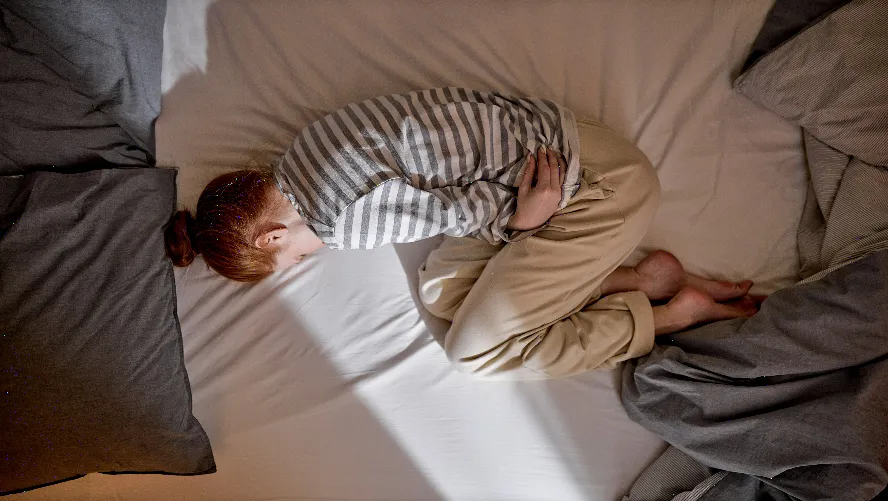
Premenstrual syndrome (PMS) is a condition that affects quality of life in women, manifesting with symptoms such as breast swelling, abdominal bloating, fatigue, weight gain, low energy, headaches, depressive mood, tension, and restlessness in the period immediately before menstruation. It can begin as early as 10 days before menstruation, intensify just before, and usually end a few days before or with the onset of menstruation.
This condition is frequently encountered in menstruating women; in fact, according to research, its incidence is as high as 12%. However, it may not cause the same symptoms in every woman, or the severity of symptoms may be greater in one woman and less severe in another, or may not occur at all. These symptoms vary from person to person. This is due to the physical and psychological differences between individuals.
Sometimes the symptoms are so severe that they can affect a person's daily life.
If the symptoms are severe enough to clinically or socially affect daily life, it indicates progression towards a psychiatric disorder. This psychiatric disorder is called Premenstrual Dysphoric Disorder or Late Luteal Phase Disorder.
What are the causes of premenstrual tension syndrome (PMS)?
The exact cause of this condition is unknown, but it is thought to be caused by hormonal changes that occur in the second half of the menstrual cycle. The primary cause is not the hormone level itself, but rather sudden fluctuations in hormone levels. Certain systems in women can overreact to these sudden hormone level changes, thus leading to PMS.
- Low levels of minerals (such as magnesium and zinc),
- Insufficient vitamin levels (especially vitamins A and B),
- Sudden fluctuations in hormone levels,
- Excessive water retention in the body,
- An imbalance in the levels of chemicals called prostaglandins and neurotransmitters, which play important roles in the body,
- These can be considered psychosomatic problems.
What are the symptoms of premenstrual tension syndrome (PMS)?
If a person experiences this syndrome severely, it can affect the entire body, meaning all organs. This leads to many symptoms related to the affected organs. Sometimes, PMS symptoms can be very mild, and these individuals usually don't need to consult a doctor. The most common symptoms are:
- Headaches, and sometimes even migraine attacks,
- Depression,
- Insomnia,
- Difficulty concentrating,
- Palpitation,
- Severe joint pain,
- Nausea or vomiting,
- Don't get angry so easily about some things.
- An increased tendency to commit crimes,
- Suicidal tendencies,
- The state of being emotionally vulnerable.
- Swelling and pain occur throughout the body, primarily in the abdomen and breasts.
- Low energy levels, or feeling weak,
- Constipation,
- Increased or decreased appetite,
- Weight gain,
- Increased sensitivity to sounds or smells,
- Oily skin and the resulting acne formation,
- Hot flashes,
- Excessive sleepiness,
- It's the urge to cry.
How is Premenstrual Tension Syndrome (PMS) Diagnosed?
Diagnosing every woman who experiences certain symptoms before her period and therefore consults a doctor with PMS can lead to incorrect treatment methods. Therefore, caution is necessary when diagnosing this condition. However, it is beneficial to diagnose it in patients who exhibit certain symptoms. Certain conditions must be considered when diagnosing PMS. These conditions are:
- Certain symptoms that indicate PMS must occur regularly, and their severity should increase as menstruation approaches.
- These symptoms should disappear within 3 days at the latest after menstruation begins.
- Symptoms should be monitored for 2-3 months, and must appear in three consecutive menstrual cycles during this period.
- It should be assessed whether the symptoms are severe enough to affect the person's daily life, work life, or even social life.
Among these methods, the most reliable way to diagnose is to monitor the symptoms and their severity for 2-3 months. The severity of these symptoms is measured using a scoring technique. These symptoms should be evaluated separately in terms of physical and mental aspects. The onset and cessation of symptoms are also observed during this process.
This syndrome, which negatively affects a person's social life, can lead to a decrease in self-confidence.
How is Premenstrual Tension Syndrome (PMS) Treated?
Because the exact cause of this condition is unknown, there is no treatment proven to be effective in every woman. Many methods are used to suppress the symptoms of PMS. The main goals of treatment are to suppress ovulation and prevent or reduce sudden fluctuations in hormone levels in the blood. When choosing a treatment method, it is important to treat the symptom that is most severe.
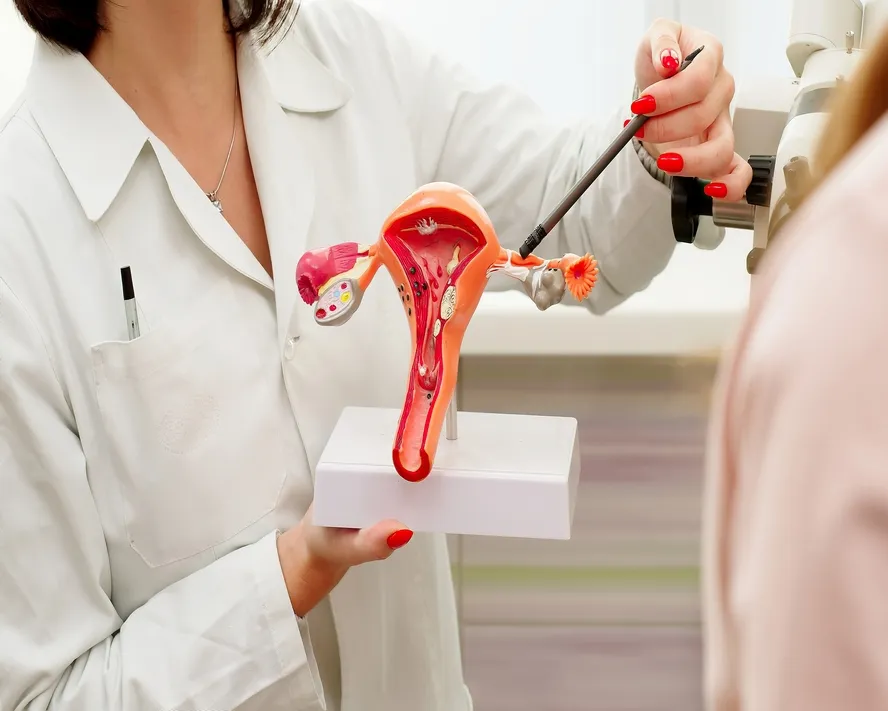
- Treatment Methods with Medicine: In cases where psychological symptoms are dominant, the individual should be referred to a psychiatrist, who should then decide on the appropriate treatment. In cases where physical symptoms are dominant, the individual should consult a gynecologist. Classifying symptoms as either psychological or physical is important in this respect. This ensures that the individual receives the correct treatment from the right specialist in the right way.
- Birth control pills: These medications are primarily used for irregular periods and severe menstrual cramps. However, caution is necessary when using them, as they can exacerbate the negative psychological effects of PMS in some women.
- Pain relievers and anti-inflammatory drugs: It is beneficial to start using these medications as soon as symptoms begin. They should be discontinued on the third day after menstruation starts. This method of use can help with some physical symptoms of PMS, as well as severe menstrual cramps.
- GnRH analogs: These medications are known as hormone medications. They work by temporarily inhibiting ovarian function. Through this mechanism, they reduce blood levels of estrogen and progesterone hormones to levels found in menopausal women. These medications must be used under the supervision of a doctor. Otherwise, they can cause serious side effects. Long-term use is not recommended because they can cause serious problems such as osteoporosis, but if their use is necessary, it is beneficial to take estrogen hormone alongside them to prevent these side effects.
- Hysterectomy (Removal of the Uterus): This method should be considered as a last resort if all other treatment options for PMS have been tried and failed. In this procedure, the uterus is surgically removed along with the ovaries. However, this method is rarely used today because, thanks to advances in science, more effective medications and other treatment methods are generally more effective in treating PMS.
- Nutrition: Individuals diagnosed with PMS need to pay close attention to their diet, as some foods can worsen PMS symptoms. Limiting caffeine intake is beneficial as it can cause headaches and breast tenderness. Increased sensitivity to alcohol develops, particularly during the second phase of the menstrual cycle; therefore, alcohol consumption should be avoided. Nicotine, also found in cigarettes, stimulates the release of hormones that cause water retention in the body. Therefore, reducing or even quitting smoking is recommended.
- Exercise: Regular exercise can help reduce the severity of PMS symptoms. Exercise causes the release of endorphins in the brain, which are hormones also known as the "happiness hormone" and are a derivative of morphine. This substance has a relaxing effect on the body. Therefore, it is recommended that people diagnosed with PMS exercise regularly. Exercising for 20 minutes at least 3 times a week is sufficient.
-
Reducing stress: Relaxation techniques such as meditation or yoga are among the recommendations for reducing stress. The most important step in reducing stress is to be conscious and willing.







 Make an Appointment
 E-Result
 Let Us Call You