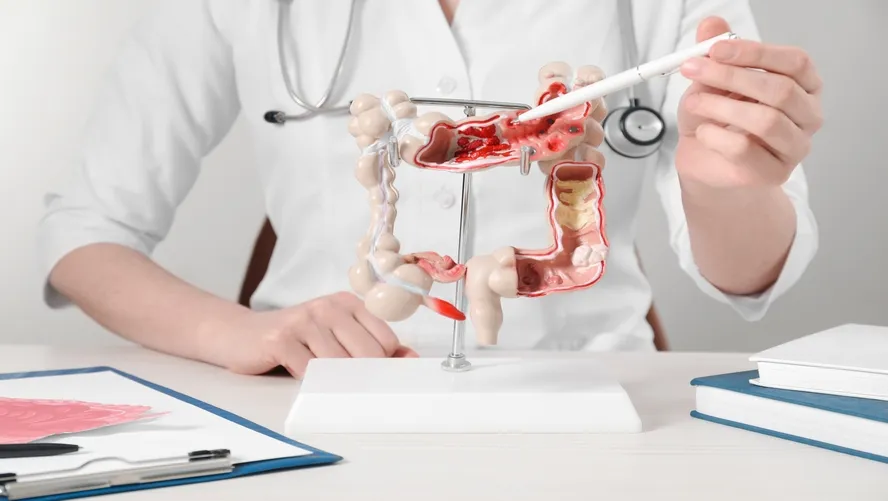
Gastroenterology is the branch of medicine concerned with the diagnosis and treatment of diseases of the digestive system. This branch encompasses organs such as the esophagus, stomach, small intestine, large intestine, liver, gallbladder, and pancreas. Gastroenterologists diagnose and treat diseases and disorders occurring in these organs.
About the Gastroenterology Department
The Gastroenterology department is a healthcare unit staffed by doctors and healthcare personnel specializing in digestive system diseases. In this department, diseases are diagnosed and appropriate treatment methods are applied using advanced technology devices and laboratory tests. Furthermore, advanced imaging and examination techniques such as endoscopy and colonoscopy are frequently used in this department.
Who is a Gastroenterologist and What are Their Responsibilities?
Gastroenterologists are doctors who have received training and specialized in diseases of the digestive system. Their duties include diagnosing diseases, developing and implementing treatment plans, monitoring patients, and performing surgical interventions when necessary. Gastroenterologists also educate patients on lifestyle and nutrition.
What Diseases Does Gastroenterology Cover?
Gastroenterology is a broad branch of medicine encompassing various diseases of the digestive system. These diseases can affect organs such as the esophagus, stomach, small and large intestines, liver, gallbladder, and pancreas. Here are some of the main diseases covered by gastroenterology:
1. Gastroesophageal Reflux Disease (GERD)
It is a chronic disease caused by the backflow of stomach contents into the esophagus. Symptoms include heartburn, chest pain, and difficulty swallowing.
2. Peptic Ulcer
These are sores that form on the inner lining of the stomach and small intestine. Helicobacter pylori infection and excessive use of painkillers are the main causes. Symptoms include stomach pain and indigestion.
3. Irritable Bowel Syndrome (IBS)
It is a functional disorder of the intestines and is often associated with stress. It manifests itself with symptoms such as abdominal pain, bloating, diarrhea, and constipation.
4. Crohn's Disease and Ulcerative Colitis
Both of these diseases fall under the category of inflammatory bowel diseases (IBD). Crohn's disease can affect any part of the digestive tract, while ulcerative colitis affects only the large intestine. Chronic inflammation can cause abdominal pain, diarrhea, and weight loss.
5. Hepatitis
It is inflammation of the liver and is usually caused by viruses (Hepatitis A, B, C, D, E). It manifests with symptoms such as jaundice, abdominal pain, and fatigue.
6. Pancreatitis
Pancreatitis is inflammation of the pancreas. It can be acute or chronic. Alcohol consumption and gallstones are common causes. Symptoms include abdominal pain, nausea, and vomiting.
7. Gallstones
Hardened bile particles form in the gallbladder. People with gallstones often experience symptoms such as abdominal pain, nausea, and vomiting.
8. Celiac Disease
Gluten reflux is an autoimmune response to gluten consumption. It damages the small intestine and impairs nutrient absorption. Symptoms include abdominal pain, diarrhea, weight loss, and fatigue.
9. Diverticulosis and Diverticulitis
Diverticulosis is a condition in which small pouches (diverticula) form in the wall of the large intestine. When these pouches become inflamed or infected, diverticulitis occurs. Symptoms may include abdominal pain, fever, and changes in bowel habits.
10. Colorectal Cancer
It is a type of cancer that develops in the large intestine or rectum. It may not show symptoms in the early stages, but in advanced stages it leads to bleeding, abdominal pain, and changes in bowel habits.
The gastroenterology department is specially equipped for the diagnosis and treatment of these diseases and offers various treatment methods to improve the quality of life for patients.
What are Gastroenterological Examinations?
Gastroenterological examinations include various methods used to diagnose diseases of the digestive system. These include:
Endoscopy: Used to visualize the inner lining of the esophagus, stomach, and small intestine.
Colonoscopy: Used to examine the large intestine and rectum.
Ultrasonography: Used to examine organs such as the liver, gallbladder, and pancreas.
Blood tests are performed to determine liver function and other digestive system diseases.
Biopsy: The process of taking and examining suspicious tissue samples.
What methods are used in the treatment of gastroenterological diseases?
Various methods are used in the treatment of gastroenterological diseases. Treatment methods vary depending on the type and severity of the disease. General treatment methods include:
Drug Treatment: Various medications are used for infections, inflammations, and other digestive system disorders.
Endoscopic treatments include: removal of polyps, stopping bleeding, and widening of strictures.
transactions.
Surgical Interventions: Surgical operations may be performed when necessary.
Diet and Lifestyle Changes: Appropriate diet programs and lifestyle changes are recommended according to the course of the disease.
When should you visit the Gastroenterology Department?
Conditions that warrant a visit to a gastroenterologist include symptoms such as persistent stomach pain, constant heartburn, difficulty swallowing, unexplained weight loss, chronic diarrhea or constipation, blood in the stool, and jaundice. If you experience any of these symptoms, it is important to consult a gastroenterologist without delay.
What happens during a gastroenterology examination?
During a gastroenterology examination, the patient's complaints are listened to and a detailed medical history is taken. Following the physical examination, advanced diagnostic methods such as endoscopy, colonoscopy, ultrasonography, and blood tests are performed if necessary. Based on the results obtained, a treatment plan is created, and the appropriate treatment methods are explained to the patient. In addition, educating patients about diet and lifestyle is also part of the examination.











 Make an Appointment
 E-Result
 Let Us Call You